
English| EUR
Suggested for you
More currencies
Choose a language
The valletta street food and culture walking tour departs from the New Parliament Building at City Gate each morning, threading through the fortified grid where Maltese vendors serve pastizzi from century-old counters and neighbourhood bakeries still bake ftira in wood-fired ovens. This guide walks through the full route, what you'll taste, and how to prepare for three hours on foot through the capital's limestone streets.
Quick answer
The valletta street food and culture walking tour runs Monday, Tuesday, Thursday, Friday, and Saturday from 09:30 to 12:30, departing from the New Parliament Building at City Gate. The 50 EUR fee includes the three-hour guided walk, local food tastings, beer, and Kinnie, Malta's iconic soft drink. The tour is closed on Wednesdays and Sundays, and punctual arrival at 09:30 is required as the group departs on schedule.
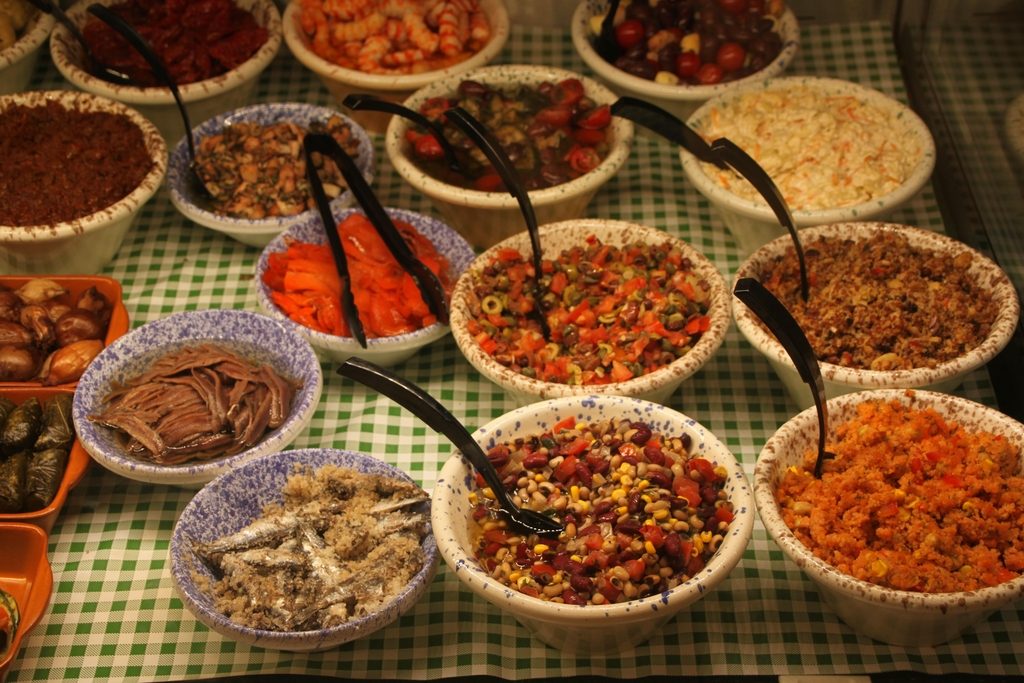
Valletta was built in six years by the Knights of St. John as a fortified grid, and that geometry still shapes how locals move through it today. Every street runs parallel or perpendicular to the harbour, and the food vendors cluster where those streets meet the bastions, the parish squares, and the covered market halls that survived the Second World War bombardment. The valletta street food and culture walking tour maps that network on foot, stopping at family-run counters where ricotta pastizzi come out of the oven every half hour and at bakeries where ftira—a Maltese sourdough flatbread topped with potatoes, capers, and tomato—is sold by weight rather than by portion. The guided route links ten to twelve tasting stops across three hours, each chosen for what it reveals about the capital's layered culinary identity: Sicilian pasta shapes adapted with local rabbit, Ottoman-era honey rings called qagħaq tal-għasel, and British-era pub fare that never quite left the dockside quarter. Between tastings, the guide traces the architectural shifts that mark each neighbourhood. Republic Street runs the full length of the peninsula, dividing the merchant quarter from the auberges where the Knights lodged by language group. The bastions at either end—St. James and St. John—offer vantage points over the Grand Harbour and Marsamxett, and the route pauses at both to explain how sixteenth-century siege logistics shaped the placement of granaries, cisterns, and communal ovens that still anchor the food economy today. The walk assumes steady mobility over uneven limestone pavement and steep cross-streets that drop toward the waterfront. Comfortable shoes, sun protection, and a reusable water bottle are standard recommendations. The tour fee covers all food and drink served during the walk, including a mid-route beer tasting and Kinnie, the bittersweet soft drink brewed from bitter oranges and herbs. Participants with dietary restrictions should communicate them at the meeting point so the guide can adjust the tasting sequence accordingly.
“Valletta was built as a fortified grid in six years, and that geometry still shapes how locals move through it today.”
This three-hour walking tour weaves Valletta's Baroque architecture and military history with traditional Maltese street food, ideal for visitors who want cultural context alongside local flavor. Departing at 09:30 from the New Parliament Building, the route covers six stops on foot.
Gather at City Gate beside Renzo Piano's limestone-clad Parliament structure. Your guide introduces Valletta's grid layout and the day's route through the fortified city.
Walk along the main artery to a family-run bakery for warm pastizzi—ricotta or pea-filled flaky parcels—while discussing the Knights of St. John and the street's role as a commercial spine.
Pause outside the Conventual Church to examine its austere Mannerist façade and hear how the interior contrasts with gilded Baroque chapels. No entry; the focus remains on street-level context.
Stop at a traditional vendor near Merchants Street for ftira—a ring-shaped sourdough topped with tomato, capers, and olives—paired with Kinnie, Malta's bittersweet soft drink.
Climb to the terraced gardens for views over Grand Harbour and the Three Cities. The guide explains the Saluting Battery's ceremonial role and the harbor's strategic importance during sieges.
Descend into the narrow lane once known for wartime bars, now reviving as a cultural quarter. Sample imqaret, date-filled pastries fried to order, with a brief stop at a local brewery for Maltese lager.
Finish near the Auberge de Castille, seat of the Prime Minister's office. The guide wraps the narrative linking food traditions to Valletta's multicultural past, and the tour disperses by 12:30.
The Valletta Street Food and Culture Walking Tour operates five days per week. Tours depart promptly at 09:30.
The tour meets at the New Parliament Building located at the City Gate, which serves as the primary entrance to Valletta. This location is accessible via the main Valletta bus terminus situated just outside the city walls.
Routes 12, 13, 14, 15, or 16 to Valletta Terminus
Direct to City Gate/Freedom Square
Ferry from Sliema to Valletta
Walk from Valletta Bus Terminus to City Gate
The tour departs promptly at 09:30, so please plan to arrive at the New Parliament Building by 09:30. Being at the meeting point on time ensures you do not miss the start of the guided walk.
Valletta emerged from the Great Siege of 1565, when Ottoman forces failed to capture Malta. Grand Master Jean de la Valette commissioned Italian military engineer Francesco Laparelli to design a fortified city on the barren Sciberras Peninsula. Construction began in 1566, and by 1571 the new capital bore its founder's name. The Knights of St. John governed from Valletta for over two centuries, transforming it into a Mediterranean naval stronghold. Baroque palaces, auberges, and churches rose within the grid of narrow streets, while merchant quarters near the harbor developed into bustling commercial hubs where traders from Sicily, North Africa, and the Levant exchanged goods and culinary traditions. British rule from 1800 reshaped Valletta's social fabric. The Royal Opera House opened in 1866, pubs replaced wine bars, and English teatime rituals merged with Maltese pastizzeria culture. Dockyard workers, sailors, and civil servants crowded the streets, and vendors selling ftira, ħobż biż-żejt, and imqaret lined Republic Street. World War II brought devastation—aerial bombardment destroyed entire blocks in 1942—but post-war reconstruction preserved the baroque street plan. Malta's independence in 1964 and European Union accession in 2004 introduced new gastronomic influences while traditional recipes endured. Today the valletta street food and culture walking tour navigates Laparelli's original grid, pausing at baroque façades, British-era shopfronts, and family-run bakeries that have operated for generations. Participants taste pastizzi from vendors whose ovens date to the 1950s, sample Kinnie—a local bitter-orange drink launched in 1952—and explore merchant streets where Sicilian, Ottoman, and British culinary legacies converge in every bite.
Grand Master Jean de la Valette lays the foundation stone of the new fortified city designed by Francesco Laparelli.
Valletta is officially inaugurated as the capital of Malta, with Knights of St. John establishing their seat of government.
British forces take control of Malta, beginning a colonial period that transforms Valletta's commercial and culinary landscape.
The Royal Opera House opens on Republic Street, symbolizing British cultural influence in the city center.
Axis aerial bombardment destroys significant portions of Valletta during World War II, earning the city the George Cross.
Malta gains independence, and Valletta begins a gradual revival of traditional Maltese street food culture.
UNESCO designates Valletta a World Heritage Site, recognizing its baroque military architecture and urban planning.
Valletta serves as European Capital of Culture, spurring heritage-focused culinary tourism and walking tours.
The Valletta street food and culture walking tour involves navigating historic streets with uneven terrain and frequent inclines. Due to the nature of the city's architecture and the walking route, the tour may present challenges for participants with limited mobility.
The historic center features steep streets and uneven pavements that may limit access.
Many areas of Valletta require navigating stairs or inclines to access specific food locations.
Public facilities are limited, and your guide can advise on accessible locations during the tour.
Tour narration is provided verbally in English without specialized assistive devices.
Everything you need to know about valletta street food and culture walking tour
You can secure your spot for the valletta street food and culture walking tour by visiting the official website provided. Reservations should be made in advance to ensure availability on your preferred date.
The entrance fee of 50 EUR covers a comprehensive 3-hour guided walking tour of the city. This experience includes tastings of local food, beer, and the traditional beverage Kinnie.
The tour operates from Monday through Saturday, excluding Wednesday and Sunday. Please consult the dedicated schedule section for current availability during the autumn season.
The meeting point for the valletta street food and culture walking tour is located at the New Parliament Building, City Gate, Valletta, Malta. This central hub is easily accessible for all participants.
You are advised to arrive at the meeting point by 09:30 sharp, as the tour departs at this fixed time. Planning your travel to account for local traffic is recommended.
Families are welcome to join this Valletta gastro-historical walk to explore local traditions and flavors. Children should be comfortable with a 3-hour walking duration through the historic streets.
For inquiries regarding private groups or customized scheduling for the valletta street food and culture walking tour, please visit the official site. All bookings for public and private sessions are managed through that platform.