
English| EUR
Suggested for you
More currencies
Choose a language
Valletta sits at the crossroads of Mediterranean food culture, where fishing-village traditions meet EU pricing and tourist-district premiums. The cost of eating here depends less on Malta's economy overall and more on which neighborhood you choose, what time you arrive, and whether you follow local routines or tourist ones.
Quick answer
Food in Malta ranges from affordable to moderately expensive depending on where and how you eat. A sit-down meal in a Valletta restaurant averages €15–25 per person, while a pastizzi from a village bakery costs under €1. Supermarket staples—bread, cheese, fresh produce—align with southern European norms, though imported goods carry a premium. The cost gap between tourist zones and residential streets can reach 40%, and dining at lunch rather than dinner often cuts the bill by a third.
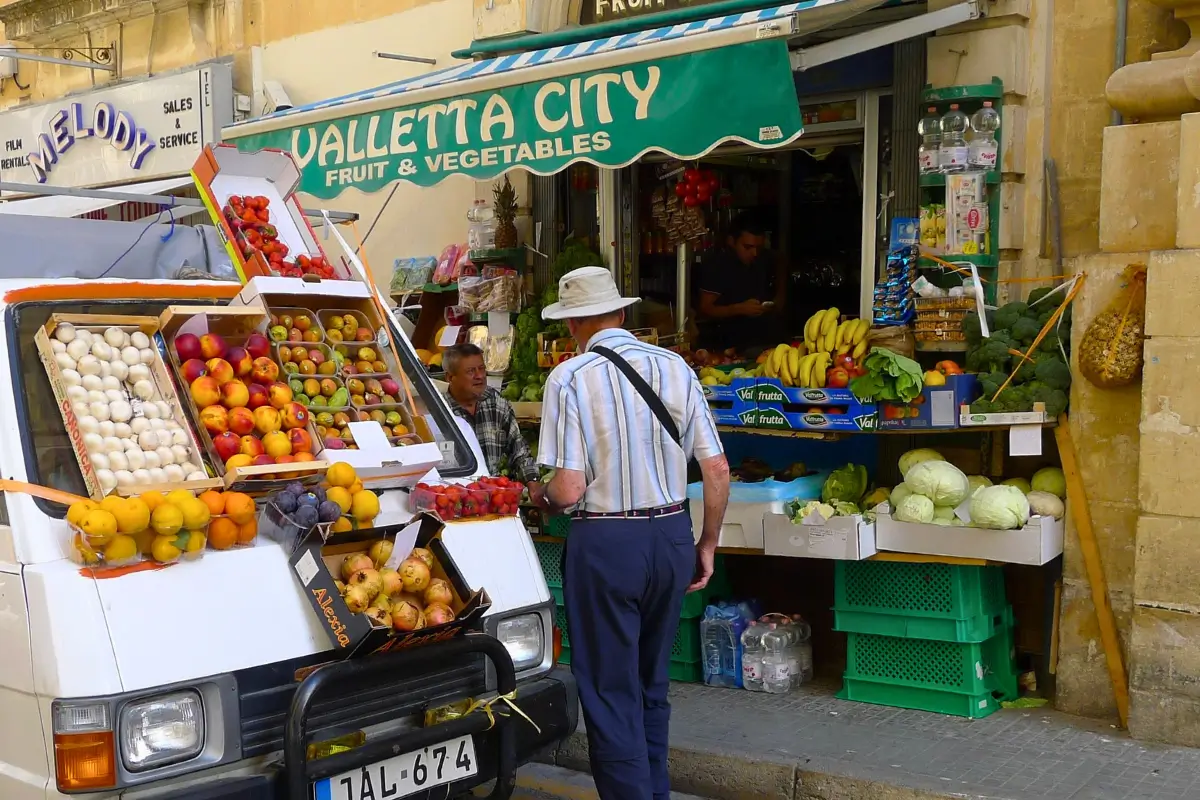
Malta imports roughly 80% of its food, a fact that shapes every price tag on the island. The supermarket aisles in Valletta reflect that dependency: local tomatoes and ġbejna cheese sit alongside Italian pasta and British cereals, and the latter always cost more. A bottle of Maltese wine runs €6–8, while a comparable French label climbs past €12. The produce section tells the same story—seasonal fruit from Gozo appears in summer at reasonable prices, but berries and avocados flown in from the continent command double what they would in Rome or Barcelona. Restaurant pricing in Valletta follows a predictable geography. The streets near Republic Street and the Upper Barrakka Gardens cater to cruise passengers and charge accordingly: a two-course lunch with wine rarely drops below €30. Walk five minutes inland toward Merchants Street or down the side alleys near St. Paul's Anglican Cathedral, and the same meal costs €18. The difference is not quality—it is foot traffic. Restaurants frequented by Maltese office workers offer set menus at lunch for €10–12, including a starter, main, and house water. Those same establishments switch to tourist pricing after 18:00. Supermarkets cluster into three tiers. Express-format shops in tourist zones charge convenience premiums of 15–20%. Mid-range chains—Greens, Pavi, Scotts—stock the same products at standard rates, and their weekly flyers highlight loss-leaders on milk, eggs, and canned goods. Discount grocers operate outside Valletta proper, requiring a bus ride but delivering prices closer to what locals pay. A weekly shop for one person—fresh vegetables, pasta, chicken, bread, coffee—runs €35–45 at a mid-tier store, €28–35 at a discounter. Cooking three meals a day from a supermarket basket costs roughly half what eating out does, a margin that narrows only if you chase the lunch specials. The timing of your meals matters as much as the venue. Breakfast pastries vanish from bakery counters by 10:00, and the best-value ftira sandwiches sell out before noon. Lunch service runs 12:00–14:30; arrive at 13:00 and you will see Maltese diners finishing their mains, a signal that the kitchen is moving quickly and the daily special is still available. Dinner bookings open at 19:00, but restaurants do not fill until 20:00. The hour before the crowd arrives sometimes brings an unadvertised early-bird discount, though it is never printed on the menu—you ask at the host stand. Seasonal shifts ripple through the pricing. Summer brings higher volume and higher prices: a margherita pizza that costs €8 in March costs €10 in July. Autumn resets the math, and by October the same restaurants drop prices to hold traffic as the cruise ships thin out. Winter is the cheapest season to eat in Valletta, both because competition for diners increases and because the few tourists who visit in January expect value, not spectacle.
“The cost gap between tourist zones and residential streets can reach 40%, and dining at lunch rather than dinner often cuts the bill by a third.”
Food costs in Valletta vary based on your dining style, ranging from casual street food to full-service restaurant meals. Understanding these price points helps you manage your daily travel budget effectively.
How to spend less
Verdict: Travelers can expect to spend between 30 EUR and 60 EUR per person daily for food, depending on whether they prioritize budget options or comfortable dining experiences.
Managing dining expenses in Valletta requires strategic choices that leverage local shopping habits and venue selection.
Avoid convenience stores in central tourist zones, as smaller grocers in residential pockets of Valletta offer lower prices for staples. Carrying a reusable bottle is effective, as supermarkets charge significantly less for bottled water than cafes or kiosks.
Requesting house wine by the carafe at local trattorias often provides the best value compared to bottled options. This choice avoids the premium markup associated with specific labels while maintaining quality.
Look for pastizzi shops and traditional bakeries for lunch rather than sit-down restaurants. These venues provide high-calorie, traditional Maltese snacks at a fraction of the cost of a full meal.
Explore local markets early in the day to find fresh seasonal produce at competitive prices. This provides an affordable way to stock up on fruit and vegetables for daily snacks.
Some establishments offer fixed-price menus during off-peak hours before the standard dinner rush. Checking venue websites for these specific time-sensitive deals can reduce overall dining costs.
Inquiries regarding the cost of food and local pricing in Valletta do not pertain to a physical venue with operating hours.
Everything you need to know about is food expensive in malta
Travelers often ask is food expensive in Malta, but costs vary significantly based on your dining choices. Street food options and local pastizzerias offer highly affordable meals compared to sit-down restaurants. By opting for casual dining, you can easily manage your daily expenses while exploring the city.
Many visitors wonder if food expensive in Malta translates to tour prices, but our Valletta street food tour focuses on authentic local tastes at fair value. These guided experiences provide a curated selection of traditional snacks, ensuring you avoid tourist traps. It is a cost-effective way to sample local culture without traditional dining markups.
While some high-end establishments command premium prices, the general consensus on is food expensive in Malta is that affordability depends on your strategy. Local eateries serving ftira or pizza remain very budget-friendly for most travelers. Sticking to neighborhood spots away from main squares will keep your food budget manageable.
Groceries in Valletta are reasonably priced, making self-catering a viable option for longer stays. Whether you are buying fresh produce at markets or staples at local shops, you will find costs comparable to other Southern European destinations. This is a practical tip for those looking to balance their travel finances.
During summer months, demand in tourist areas can drive up prices, leading some to ask is food expensive in Malta. However, by seeking out off-peak times or dining slightly outside the historic city center, you can find consistent value. Careful planning allows you to enjoy the culinary landscape regardless of the season.
To save money, prioritize local bakeries and seasonal market produce over establishments with prime views of Valletta landmarks. Engaging in a guided walk through culinary hotspots helps you identify the best value locations. This approach ensures you experience authentic flavors while keeping your overall expenditure low.
Dining directly adjacent to major historic landmarks often involves a premium for the location rather than the quality of the meal. If you find yourself asking is food expensive in Malta, try walking a few streets away to discover more modest pricing. Local tavernas frequently offer better value and a more authentic atmosphere for your meal.